Where cougars live
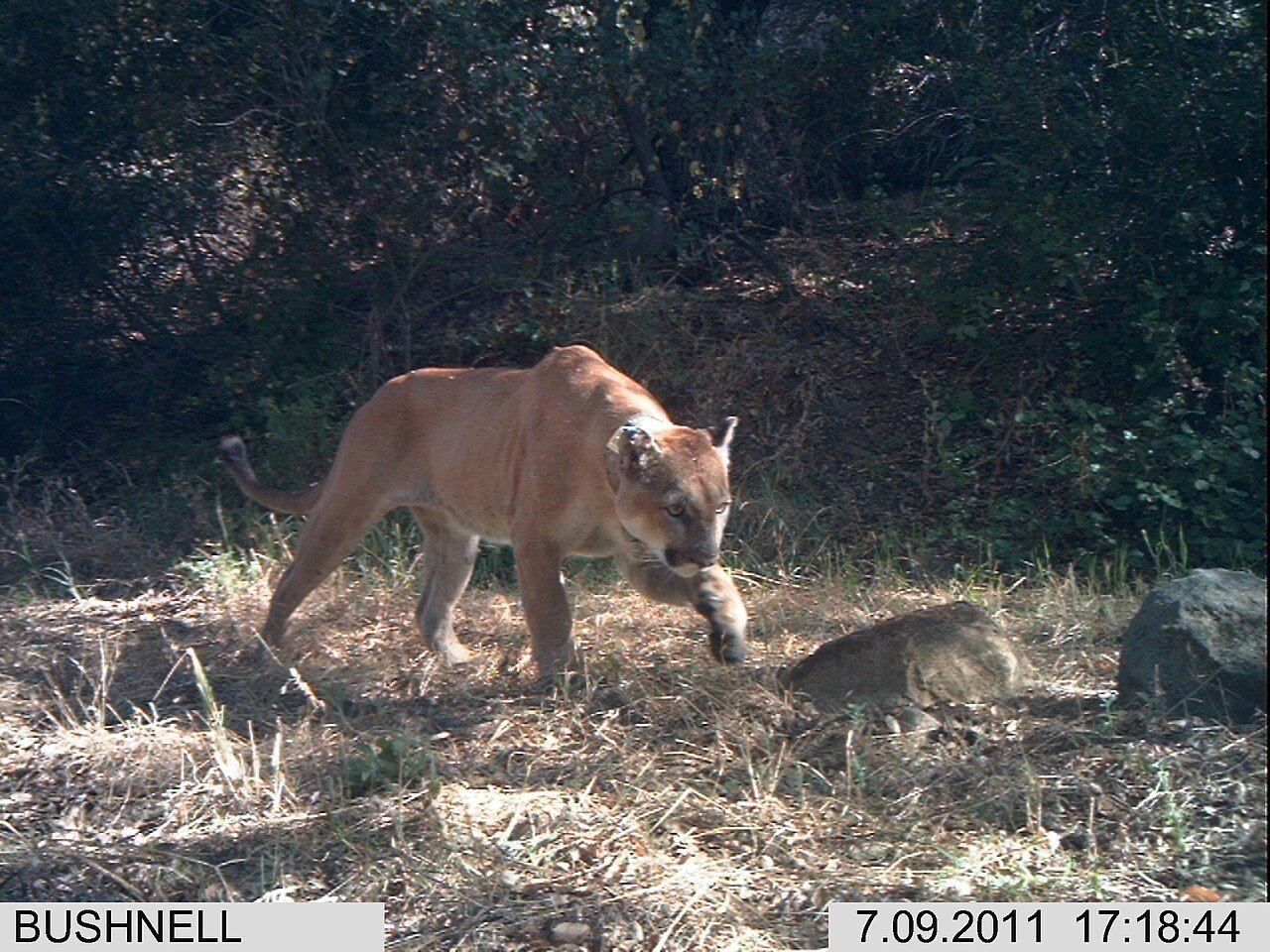
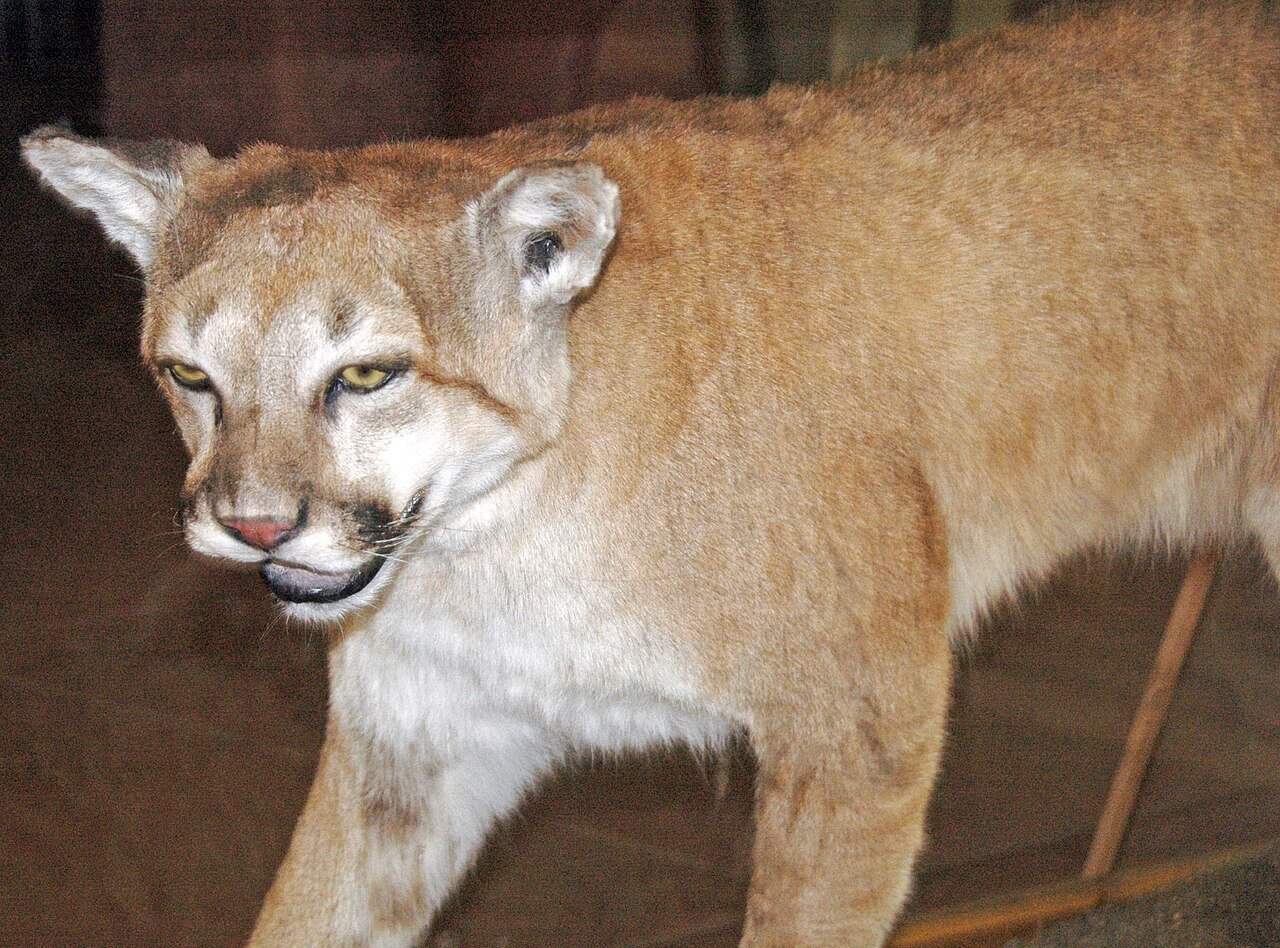
The cougar (Puma concolor) has the widest range of any wild land mammal in the Western Hemisphere, from the Canadian Yukon to the southern Andes.
In the United States, huntable cougar populations are concentrated in the West. Cougars go where deer and elk go, so the best country has abundant prey, plenty of cover for stalking, and broken, rugged terrain.
Mountains & foothills
Rimrock, cliffs, and steep canyons in the Rockies, Cascades, and Sierra Nevada are classic lion country.
Conifer forest
Timbered slopes with thick cover hold cats year-round, especially near elk and deer winter range.
Desert & brush
Pinyon-juniper, chaparral, and desert mountain ranges of the Southwest support cougars wherever there's water and prey.
River breaks
Brushy draws and river canyons — like Idaho's Salmon and Clearwater country — make natural travel corridors.
Range by region
- Strongholds: Idaho, Montana, Wyoming, Colorado, Utah, Nevada, Arizona, New Mexico, Oregon, Washington, and California.
- Edges and expansion: Western Texas and the Dakotas, with dispersing young males increasingly reported across the Midwest.
- Canada: British Columbia and Alberta support strong populations.
- Florida: A small, endangered population (the Florida panther) that is fully protected.
Habits worth knowing
Cougars are solitary and mostly active at dawn, dusk, and night. A male can patrol a home range of 100+ square miles; females use smaller areas. A cat typically kills a deer or elk every week or so, caches it under debris, and returns to feed. They follow ridgelines, saddles, and creek bottoms, and they mark territory with "scrapes" — small piles of scratched-up dirt and debris.
How to hunt cougars
Cougars are rarely seen by chance. Nearly all successful hunts use one of three methods.
1. Hunting with hounds (the classic method)
Most cougars taken in North America are treed by hounds. It's winter work: fresh snow makes tracks easy to find and age.
- Cut a track. After a fresh snowfall, drive or snowmobile back roads and ride ridges at first light, looking for a fresh cat track crossing a road or trail.
- Judge the track. Look for round prints about 3–4+ inches wide with no claw marks and a three-lobed heel pad. Size and stride help separate a mature tom from a female — and tracks of kittens alongside an adult mean a female with young.
- Turn out the dogs. When the track is fresh enough, release the hounds. They follow the scent, often for miles, while the hunters follow on foot.
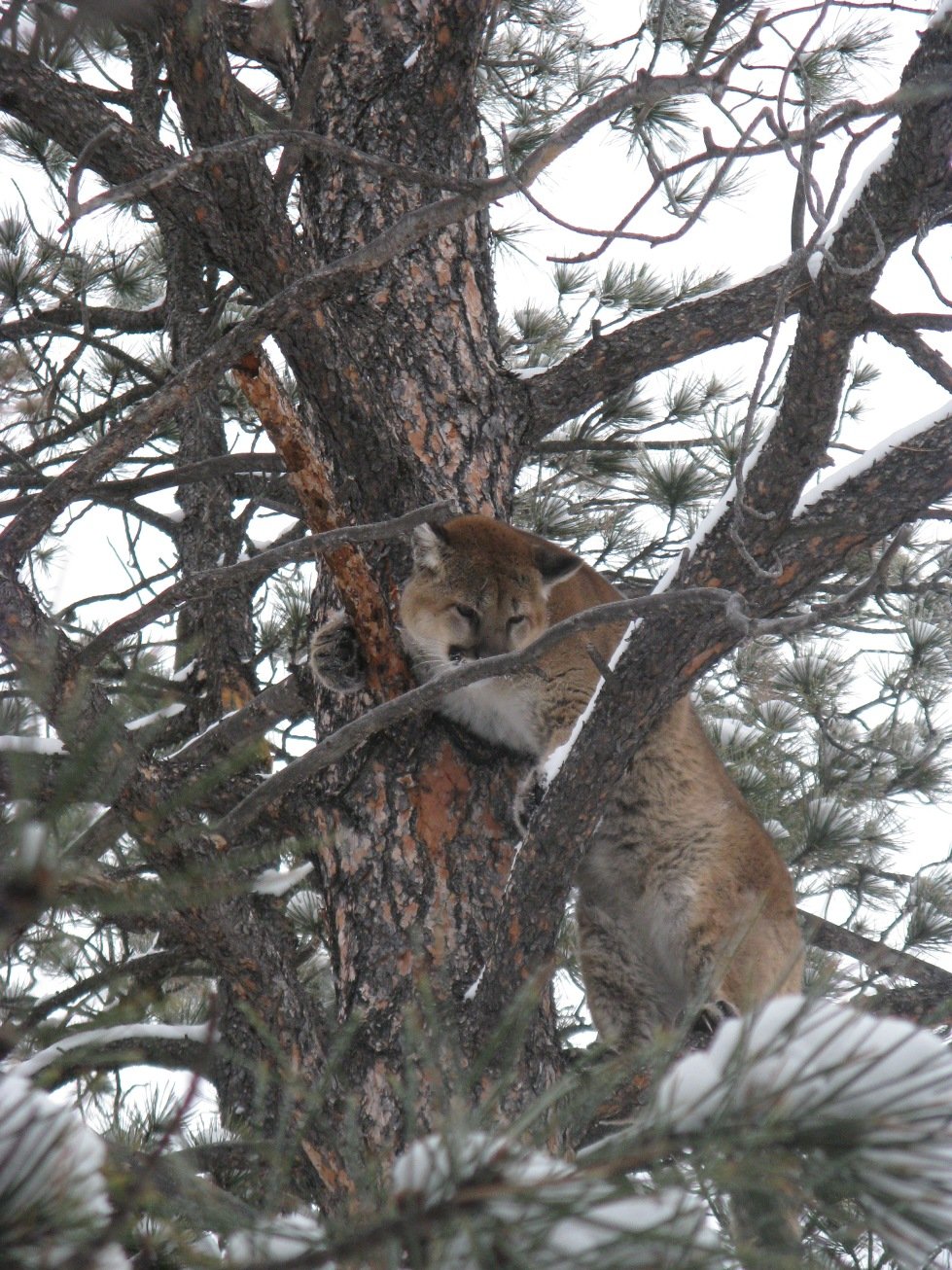
- Tree the cat. A pressured cougar usually climbs a tree or ducks onto a rock ledge. The hounds hold it there, baying "treed."
- Evaluate before deciding. At the tree, hunters can take a careful look at the cat. Many choose to photograph and walk away from females and young toms, and take only a mature male.
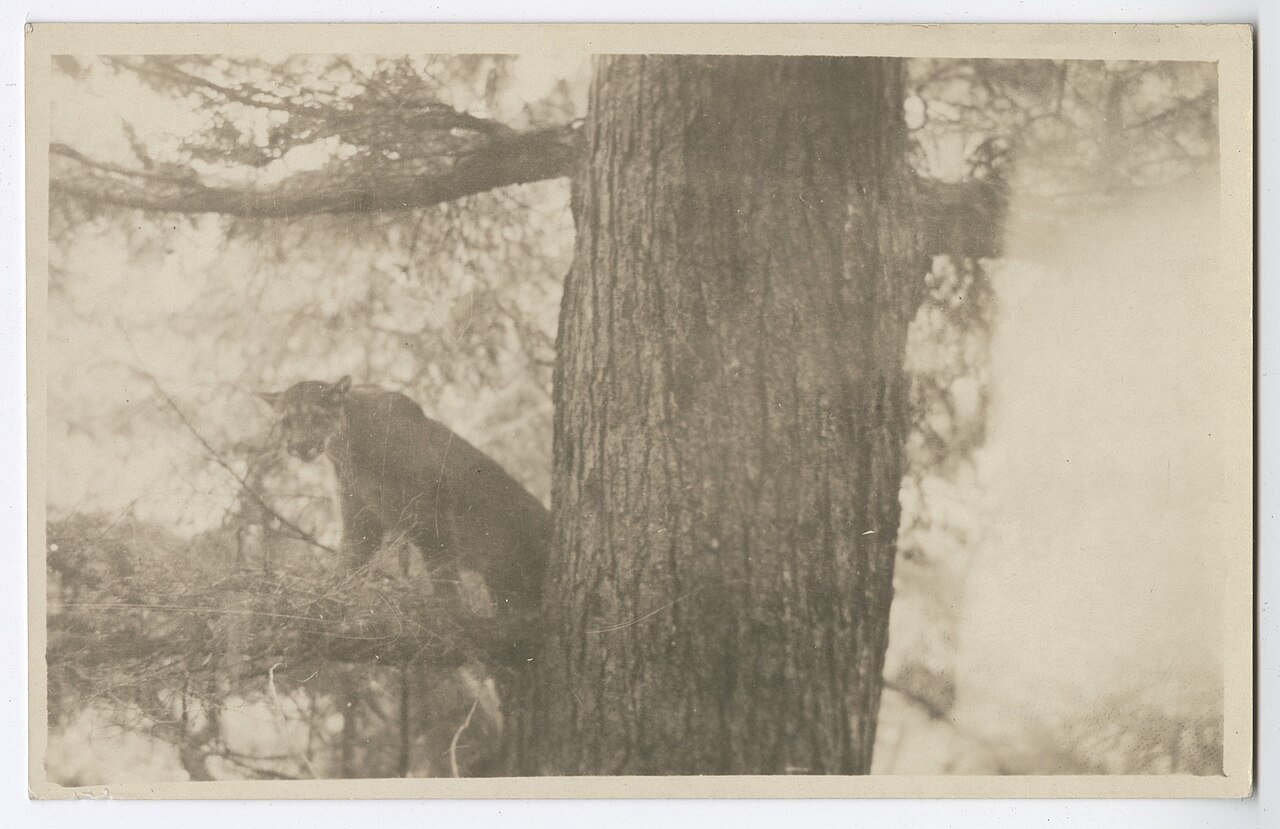
Because hound hunting involves training and maintaining a pack, many hunters go with a licensed outfitter or houndsman the first time.
2. Spot-and-stalk / tracking
Some hunters track cats on foot in snow without dogs, or glass open country hoping to spot one. It's legal in many places but has a very low success rate — cougars are masters at not being seen.
3. Predator calling
Distress calls (fawn bleats, rabbit or elk-calf distress) can bring a cougar in, often while hunters are calling coyotes. Set up with your back to cover, watch your flanks, and be patient: a cougar may take 30 minutes or longer to approach, silently. Many cats are taken incidentally by callers.
Dogs for hunting cougars
Lion hounds need a cold-trailing nose, endurance for long chases in snow and rough country, and the grit to hold a cat at the tree.
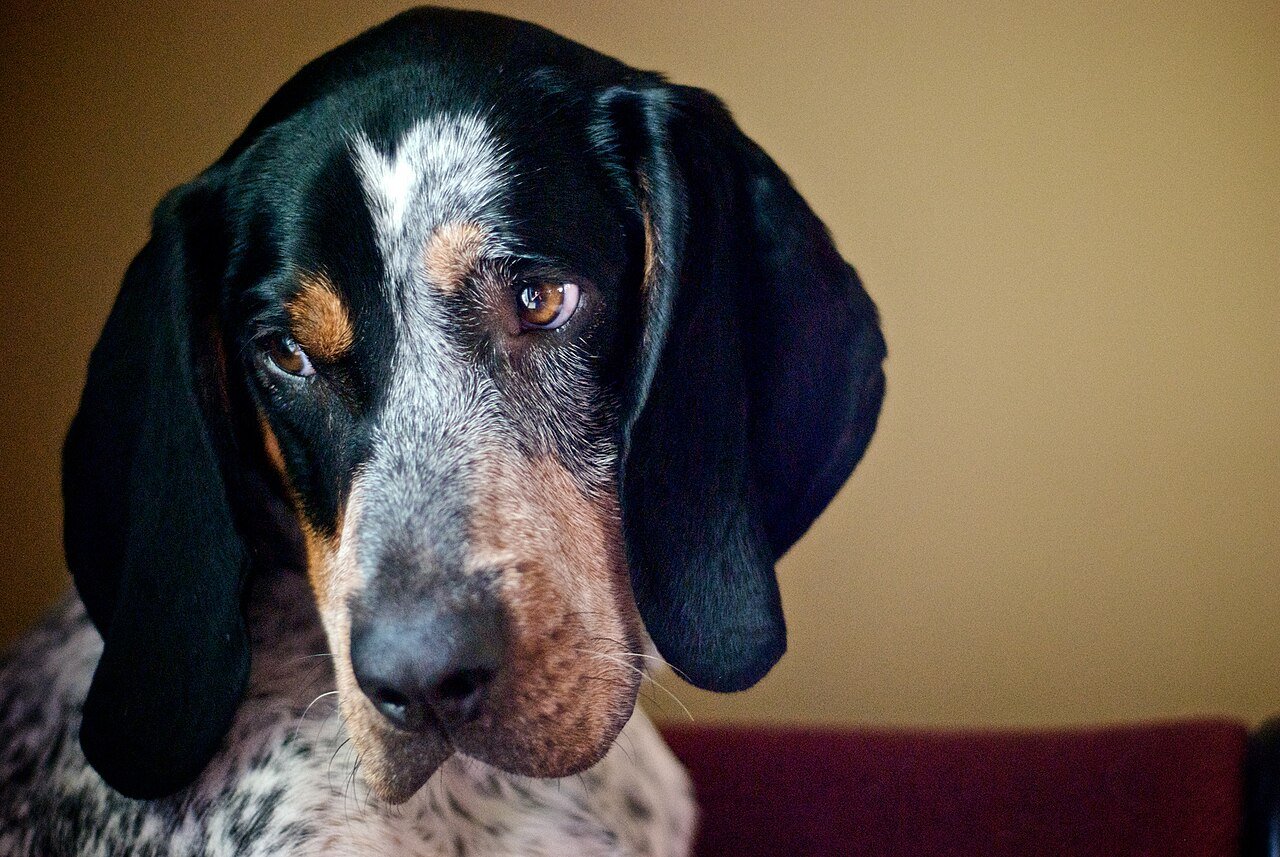
Bluetick Coonhound
Excellent cold-trailing nose and a loud, carrying bawl. A long-time favorite among Western lion hunters.
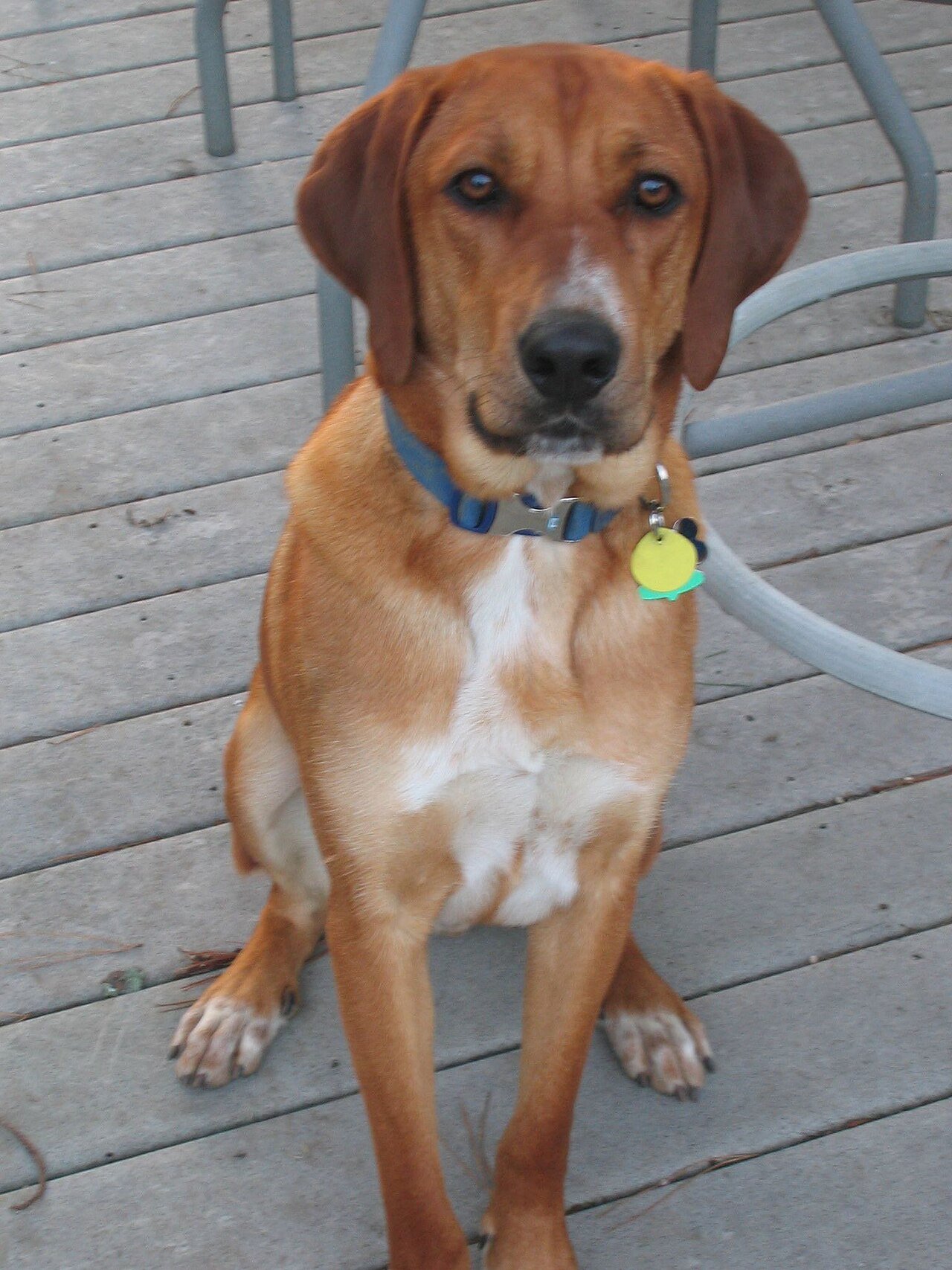
Redbone Coonhound
Fast, agile, and sure-footed in rough terrain, with a strong treeing instinct.
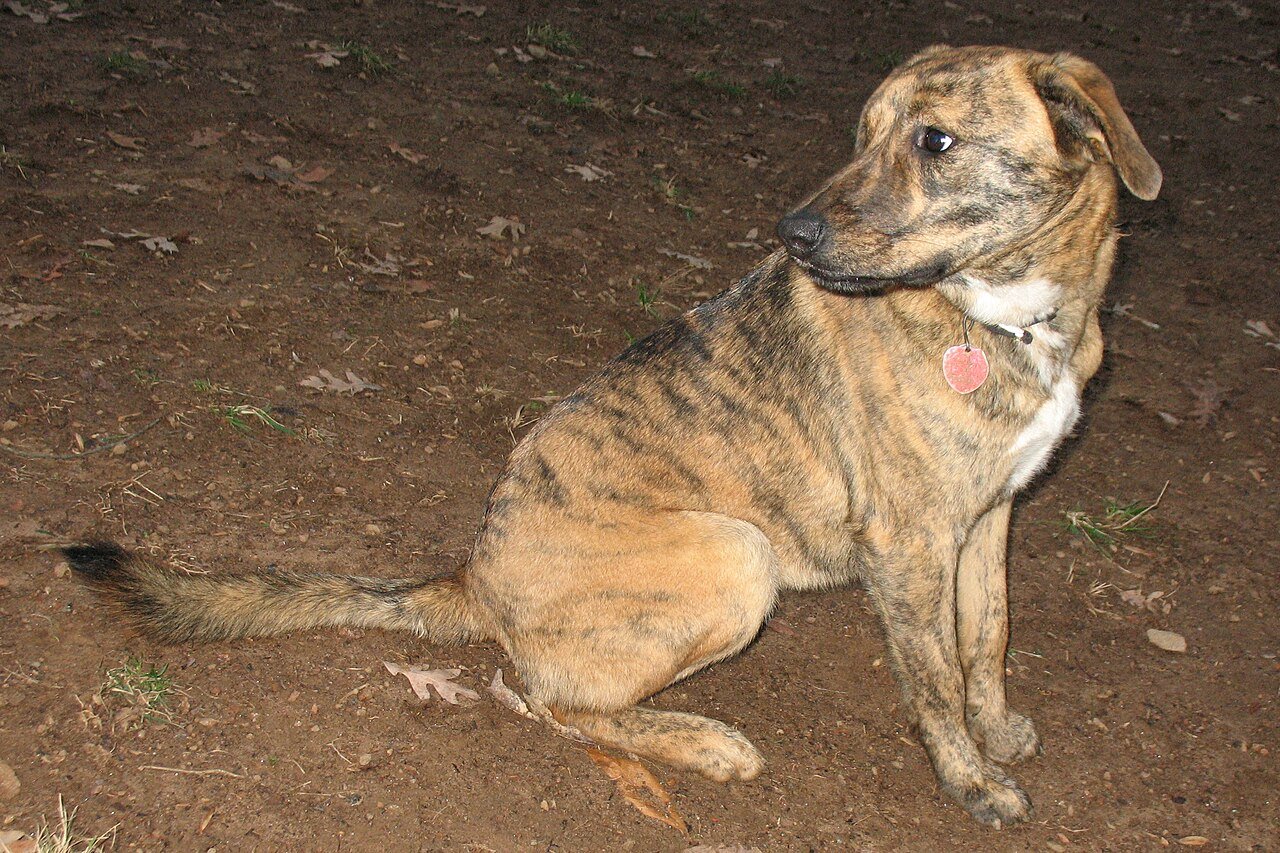
Plott Hound
Bred for big game; tough, determined, and known for courage at the tree. Popular in mixed lion-and-bear packs.
Treeing Walker Coonhound
Fast with a great work ethic and strong tree sense; good on hot tracks.
Black and Tan Coonhound
Very cold-nosed and methodical — useful for working older, colder tracks.
English Coonhound / Cur crosses
Many houndsmen run crosses, or add Mountain Cur and Catahoula types for grit and versatility.
Building a pack
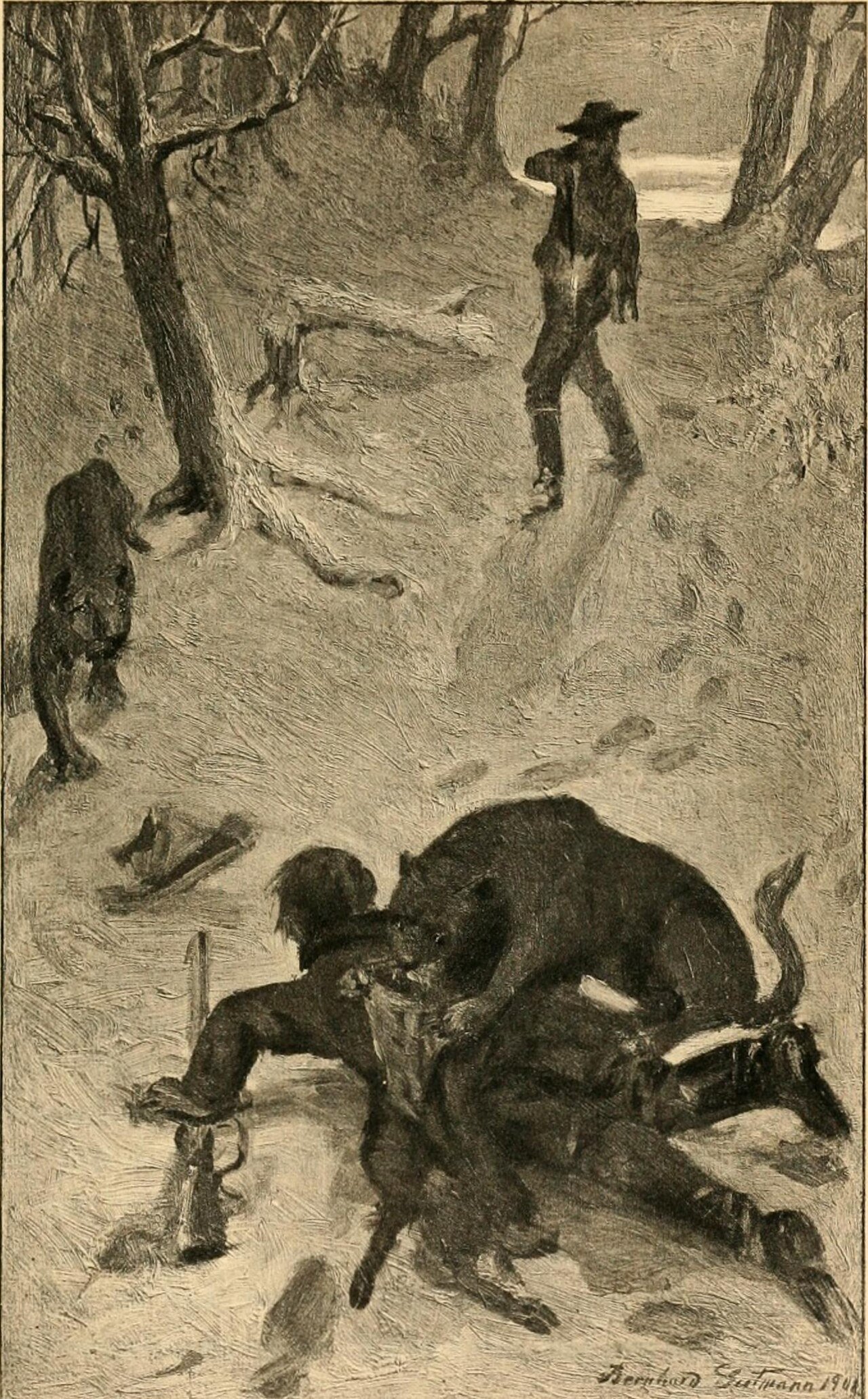
- Two to four dogs is typical. Many packs mix a cold-nosed "strike" dog that starts the track with faster dogs that close the race.
- Train young dogs alongside experienced, proven lion dogs.
- Make sure your dogs are "broke off" off-game — they must ignore deer, elk, coyotes, and rabbits.
- Use GPS tracking collars. Chases can cover miles of steep country.
- Condition your dogs before the season, and carry first-aid gear — cats can injure dogs.
Weapons for cougar hunting
Cougars are not hard to kill with a well-placed shot. Shot placement matters far more than raw power. Always confirm what's legal in your state.
| Weapon | Typical choices | Best use |
|---|---|---|
| Centerfire rifle | .243 Win, .25-06, 6.5 Creedmoor, .270, .308, .30-06 | Spot-and-stalk and calling, where shots may be longer. Use bullets built for deer-sized game. |
| Rimfire & light centerfire | .22 WMR, .223/.22 Hornet | Only for close shots at a treed cat, and only where your state allows them for big game. Many states set a minimum caliber. |
| Handgun | .357 Magnum, .41/.44 Magnum, 10mm | Popular with houndsmen for close shots at the tree; easy to carry on a long chase. |
| Archery | Compound bow, recurve, crossbow (where legal) | Very effective at a treed cat at close range with a sharp broadhead. |
| Muzzleloader | .45–.54 caliber | Legal in most cougar seasons; good for close or moderate-range shots. |
| Shotgun | Slugs; buckshot only where permitted | Useful when calling in thick cover at short range. |
What makes a good cougar hunter
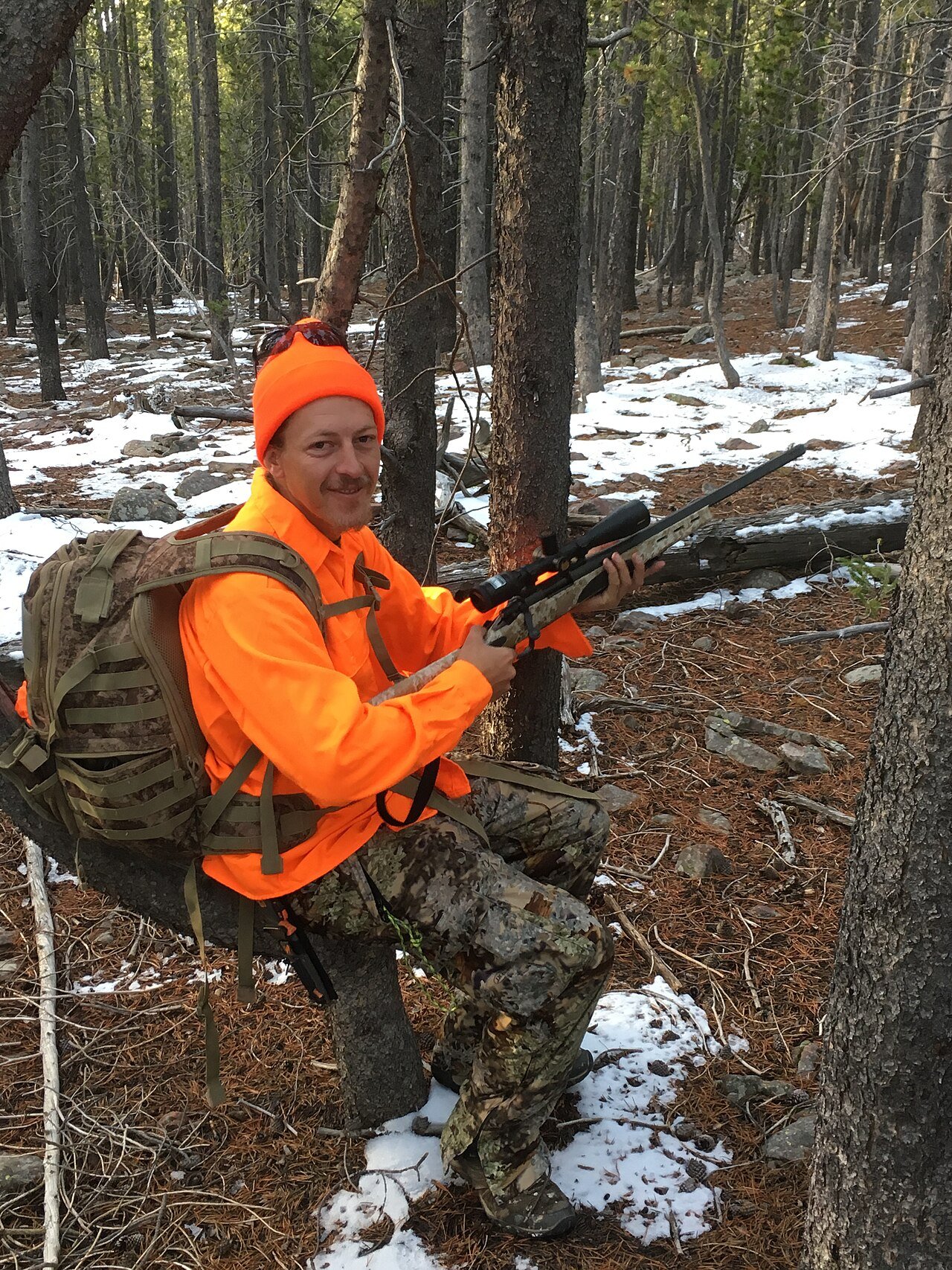
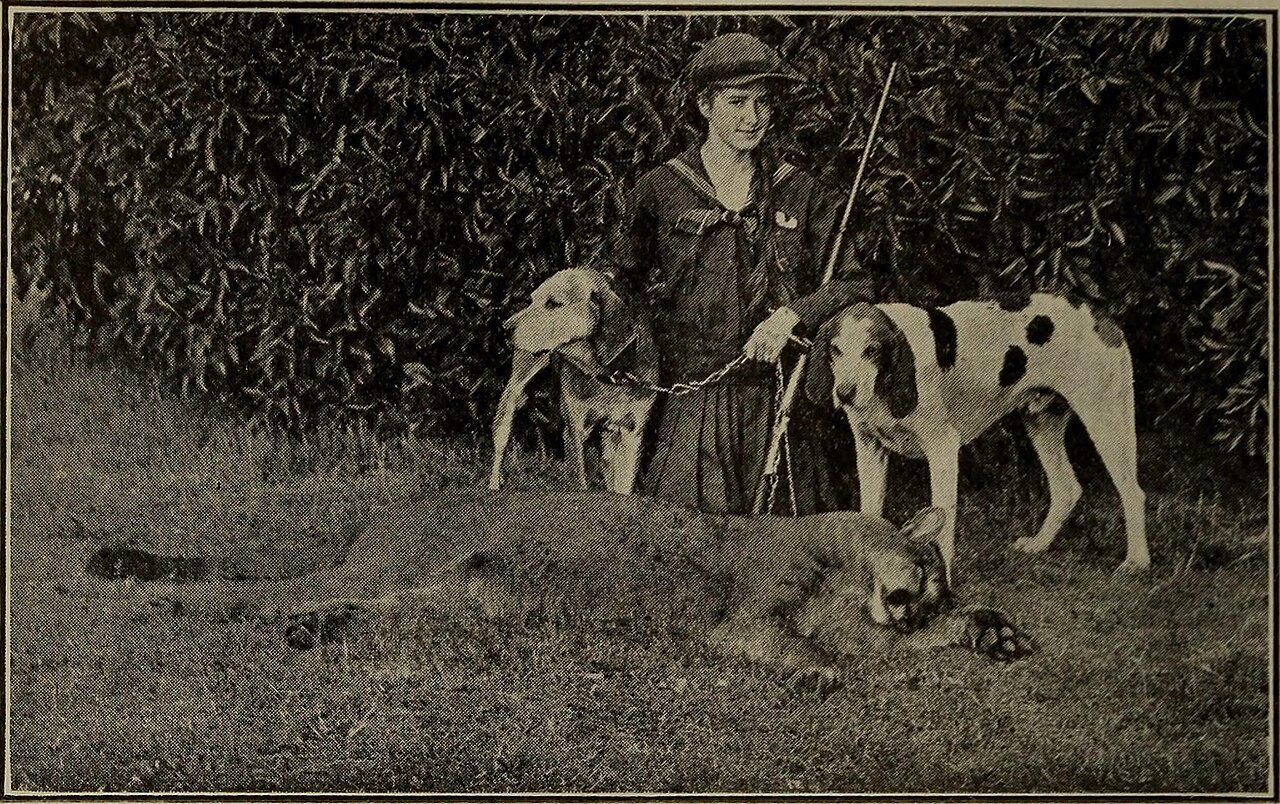
Physical fitness
Following hounds through deep snow, up canyons and down rimrock, for miles at altitude, is the hardest part of the hunt. Get in shape before the season.
Tracking skill
Know how to age a track, tell a cougar from a bobcat or dog, and read the size and sex of a cat from its prints.
Knowing the country
Learn where prey winters, where cats travel, and how roads and ridges connect. Good lion hunters scout before the snow flies.
Patience & persistence
Many days end without a track. Success often comes after weeks of early mornings.
Good dog work
Hounds win or lose the hunt. A good hunter trains, conditions, and cares for dogs year-round.
Judgment & restraint
Being able to tell a mature tom from a female, and passing on females and kittens, helps keep cougar populations healthy.
Winter backcountry skills
Navigation, cold-weather gear, and safety. Tell someone your plan and carry a GPS or satellite messenger.
Ethics & the law
Know the rules, buy the right tag, respect landowners, take only clean shots, and report your harvest on time.
Rules, licenses & regulations
Cougar hunting rules differ widely from state to state and change often. Before you hunt, check your state wildlife agency's current regulations for:
- License and cougar tag requirements, season dates, and harvest quotas by unit
- Whether hunting with hounds is allowed (and whether a separate hound or pursuit permit is needed)
- Protections for females, spotted kittens, and females with kittens
- Legal weapons, minimum calibers, and electronic-call rules
- Mandatory reporting and check-in deadlines